Tie Dye Digital Paper Patterns Pink: Strategic Use for Creative and Professional Projects
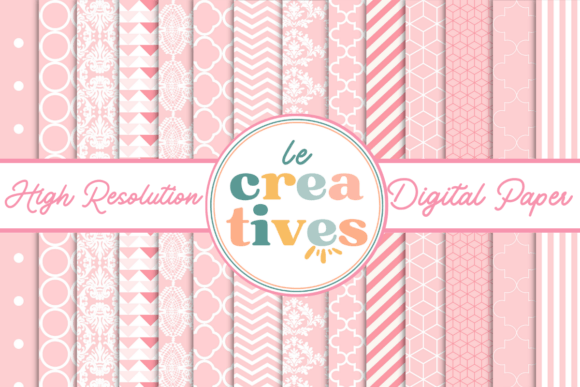
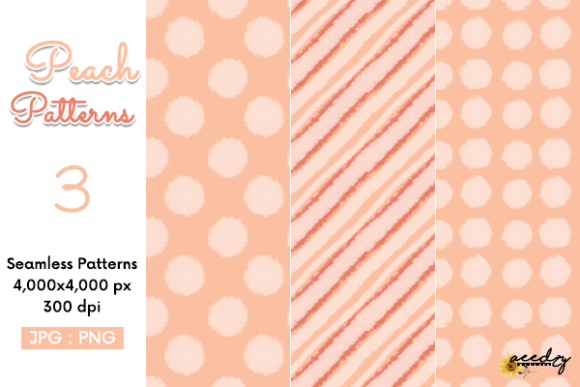
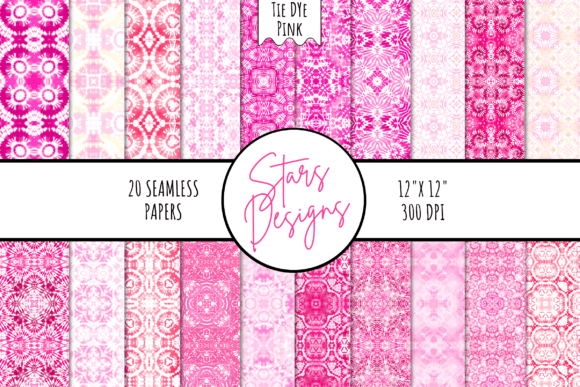
Tie Dye Digital Paper Patterns Pink is a collection of high-resolution, seamless digital paper designs in shades of pink. These patterns are crafted at 300 DPI with dimensions of 12 x 12 inches (30.5 x 30.5 cm), making them ideal for a wide range of applications. Whether you're designing a website, creating stationery, or planning a marketing campaign, these patterns offer a versatile and visually appealing solution.
Understanding the Value of Tie Dye Digital Paper Patterns Pink
The strategic value of Tie Dye Digital Paper Patterns Pink lies in its ability to enhance visual communication while maintaining a cohesive aesthetic. The soft, flowing hues of pink evoke warmth, creativity, and approachability—qualities that can be leveraged across various industries. From branding to educational materials, these patterns provide a consistent visual identity that supports your messaging and goals.
Each of the 20 seamless images in this set is designed to be scalable without loss of quality. This makes them particularly useful for print and digital projects that require high resolution. The JPG format ensures compatibility with most design software and platforms, offering flexibility in how you apply these patterns.
Strategic Applications of Tie Dye Digital Paper Patterns Pink
When used thoughtfully, Tie Dye Digital Paper Patterns Pink can support multiple strategic objectives. For instance, in branding, these patterns can serve as background elements for logos, packaging, or promotional materials. Their subtle, artistic nature allows for a professional yet creative look that aligns with modern design trends.
In educational contexts, such as notebooks, planners, and journal covers, these patterns can create an inviting atmosphere that encourages learning and organization. They help maintain visual interest without overwhelming the content, making them ideal for students, educators, and professionals alike.
For small businesses and entrepreneurs, Tie Dye Digital Paper Patterns Pink can be a cost-effective way to elevate the appearance of marketing materials, websites, and social media assets. By using these patterns consistently, you can build brand recognition and convey a sense of professionalism and creativity.
Use Cases and Practical Examples
- Websites and Blogs: Incorporate Tie Dye Digital Paper Patterns Pink as background textures for headers, banners, or section dividers. This adds depth and visual interest without distracting from the primary content.
- Print Materials: Use these patterns on business cards, flyers, or brochures to create a cohesive look across all printed collateral.
- Stationery and Invitations: Apply these patterns to wedding invitations, thank-you cards, or greeting cards for a unique and eye-catching design.
- Wall Art and Decor: Print the patterns on canvas or fabric to create custom wall art or home decor items that reflect your personal or brand style.
Planning Your Approach to Tie Dye Digital Paper Patterns Pink
Before incorporating Tie Dye Digital Paper Patterns Pink into your projects, it's important to consider your specific goals and audience. Ask yourself: What message do I want to convey? Who is my target audience? How will these patterns support my overall design strategy?
For example, if you're targeting a younger demographic, the vibrant yet soft tones of pink may resonate well with their preferences. On the other hand, if your brand is more formal or corporate, you might need to balance the use of these patterns with more subdued colors or fonts.
Additionally, think about the context in which these patterns will be used. Will they be the main focus, or will they serve as a subtle background element? Understanding this can help you avoid overuse or misapplication, which could detract from the intended effect.
Design Tips for Optimal Results
- Balance and Contrast: Ensure that the patterns complement rather than compete with other design elements. Use contrasting colors or fonts to maintain readability and visual harmony.
- Consistency: Apply the same pattern across different materials or platforms to reinforce brand identity and create a unified experience.
- Testing and Feedback: Before finalizing your design, test the patterns on different screens and print sizes to ensure they look good in all contexts. Gather feedback from stakeholders or end-users to refine your approach.
Potential Risks and Considerations
While Tie Dye Digital Paper Patterns Pink offers numerous benefits, there are also potential risks to consider. One common issue is overuse. If applied too liberally, these patterns can become distracting and undermine the clarity of your message. It's essential to use them strategically, ensuring they enhance rather than overwhelm your design.
Another consideration is licensing and usage rights. Always verify that you have the appropriate permissions to use these patterns in commercial or public-facing projects. Some digital paper sets may have restrictions on how they can be used, so it's important to review the terms carefully before downloading or purchasing.
Lastly, consider the cultural and emotional associations of the color pink. While it often conveys warmth and positivity, it can also be perceived differently depending on the context or audience. Be mindful of these nuances when selecting and applying the patterns.
Intentional Use for Long-Term Value
To maximize the long-term value of Tie Dye Digital Paper Patterns Pink, it's important to use them intentionally. This means aligning their application with your broader goals, whether that's building brand recognition, improving user experience, or enhancing the aesthetics of your products or services.
Consider integrating these patterns into your long-term design strategy. For example, if you're launching a new product line, use Tie Dye Digital Paper Patterns Pink as part of your packaging and promotional materials to create a cohesive and memorable brand experience.
By approaching the use of these patterns with intention and strategy, you can ensure that they contribute meaningfully to your projects and help you achieve your desired outcomes.