Wasted Seamless Patterns: A Versatile Design Asset for Creative and Professional Workflows
Wasted Seamless Patterns offer a unique blend of texture, imperfection, and visual interest that can elevate a wide range of creative and professional projects. These patterns are designed to be seamless, meaning they can be tiled without visible seams, making them ideal for backgrounds, wrapping paper, labels, and more. Whether you're working on a digital design, print project, or crafting an invitation, Wasted Seamless Patterns provide a ready-to-use resource that integrates smoothly into various workflows.
Understanding Wasted Seamless Patterns
At their core, Wasted Seamless Patterns are digital textures that mimic the look of discarded or aged materials. They often feature irregular edges, uneven surfaces, and subtle imperfections that add character to any design. Unlike traditional seamless patterns, which are often clean and uniform, these designs embrace a sense of randomness and organic flow, making them particularly well-suited for projects that require a tactile or vintage feel.
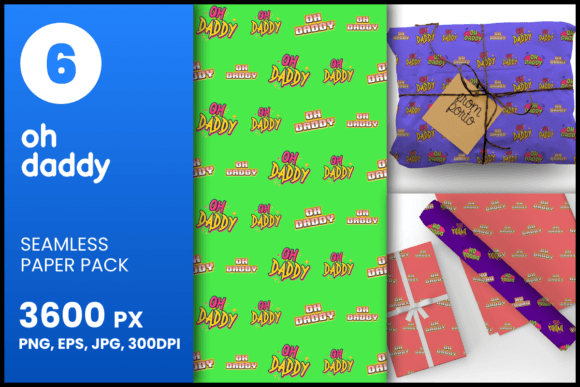
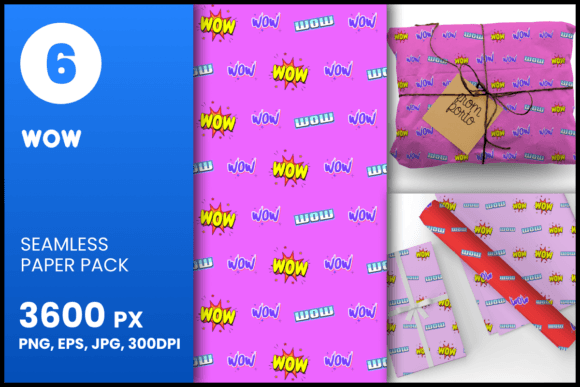
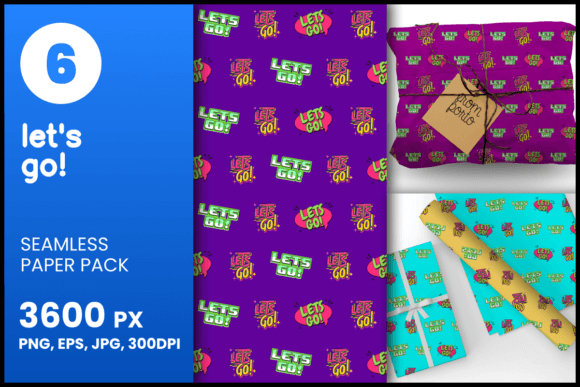
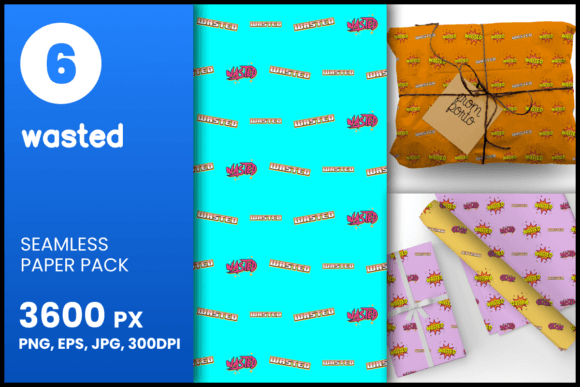
Each pattern is available in multiple file formats, including JPG, PNG, and EPS, ensuring compatibility with a wide range of software and printing processes. The high-resolution files (3600 x 3600 pixels or 12" x 12", 300 DPI) ensure crisp detail and clarity, whether you're using them for digital backgrounds or high-quality print work.
Integration into Creative and Professional Workflows
Wasted Seamless Patterns can be used at various stages of a creative or business workflow. Here's how they can fit into different scenarios:
Pre-Project Planning
Before starting a new project, consider how Wasted Seamless Patterns might enhance your design. For example, if you're planning a birthday party theme, incorporating these patterns into invitations, tablecloths, or packaging can create a cohesive and visually appealing experience. Similarly, if you're designing a website or blog, using a Wasted Seamless Pattern as a background can add depth and personality without overwhelming the content.
When selecting patterns, think about the overall aesthetic you want to achieve. Do you prefer a rustic, vintage look, or something more modern and abstract? Choosing the right pattern early on can streamline your design process and reduce the need for last-minute changes.
During Project Execution
Once you've selected a Wasted Seamless Pattern, it can be used as a base layer in your design. For instance, when creating greeting cards or wrapping paper, applying the pattern as a background allows you to focus on adding text, illustrations, or other decorative elements without worrying about the underlying texture.
In digital design, these patterns can serve as a foundation for web pages, social media banners, or email headers. Their seamless nature ensures that they tile perfectly, eliminating the need for additional editing or adjustments. This makes them especially useful for designers who need to maintain consistency across multiple platforms or devices.
Post-Project Enhancements
Even after completing a project, Wasted Seamless Patterns can be used to refine or repurpose your work. For example, if you're creating a collage for a presentation or marketing material, using one of these patterns as a background can give your visuals a more polished and professional appearance.
Additionally, these patterns can be reused in future projects, reducing the time and effort required to find new textures or designs. This makes them a valuable asset for anyone involved in regular creative work, such as bloggers, marketers, or small business owners.
Use Cases and Practical Applications
The versatility of Wasted Seamless Patterns makes them suitable for a wide range of applications. Here are some common use cases where they shine:
- Scrapbooking: Use these patterns as a background for photo albums, memory books, or themed layouts. Their textured appearance adds depth and visual interest to your pages.
- Birthday Party Decorations: Incorporate Wasted Seamless Patterns into invitations, banners, table runners, or gift wrap to create a cohesive and memorable event.
- Card Making: Whether you're creating thank-you cards, holiday greetings, or custom stationery, these patterns can serve as a base for your designs, allowing you to focus on typography and illustration.
- Wrapping Paper: Use these patterns to create unique and eye-catching gift wrap that stands out from mass-produced options.
- Printing Labels: These patterns can be used as a background for product labels, packaging, or signage, adding a touch of character and sophistication.
- Digital Backgrounds: From websites to social media profiles, Wasted Seamless Patterns can be used as a backdrop for content, helping to reinforce brand identity or thematic elements.
Workflow Tips and Best Practices
To make the most of Wasted Seamless Patterns, consider the following tips and best practices:
1. Choose the Right File Format: Depending on your needs, select the appropriate file format. JPG files are great for general use, while PNG files offer transparency, which is useful for overlays or layered designs. EPS files are ideal for high-quality printing and vector-based editing.
2. Test Before Committing: Before using a pattern in a final project, test it in your design software to ensure it looks good at the intended size and resolution. Some patterns may appear differently when scaled up or down.
3. Layer Wisely: When using these patterns as a background, avoid overcomplicating the design. Keep the foreground elements clear and readable, especially if the pattern has a busy or intricate texture.
4. Maintain Consistency: If you're using multiple patterns in a single project, ensure they complement each other in terms of color, texture, and style. This helps create a cohesive and professional look.
5. Organize Your Files: Store your Wasted Seamless Patterns in a centralized location, categorized by type or use case. This makes it easier to find the right pattern when you need it and helps keep your workflow efficient.
Conclusion
Wasted Seamless Patterns are more than just a design element—they're a versatile tool that can enhance a wide range of creative and professional projects. Whether you're working on print materials, digital assets, or personal crafts, these patterns offer a unique way to add texture, character, and visual interest to your work. By integrating them into your workflow thoughtfully, you can streamline your design process and achieve better results with less effort.