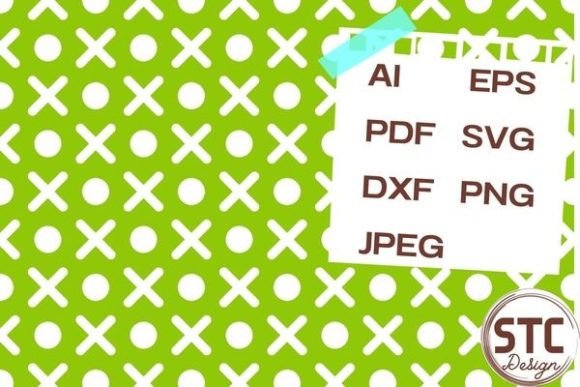
Geometric Green White Seamless Patterns: A Modern Vector Illustration for Creative Projects
Geometric Green White Seamless Patterns are a versatile and modern design asset that can elevate the visual appeal of countless creative projects. Whether you're designing a website, blog, or product packaging, these seamless patterns offer a clean, professional look with a fresh aesthetic. Made in a vector illustration style, they are ideal for digital and print use, providing high-resolution quality and flexibility across various formats.
These patterns come in multiple file types, including AI, EPS, PDF, SVG, DXF, PNG, and JPEG, ensuring compatibility with most design software and printing processes. Their seamless nature allows them to be tiled without visible seams, making them perfect for backgrounds, wallpapers, fabrics, and more.
Why Choose Geometric Green White Seamless Patterns?
The combination of green and white in geometric patterns brings a sense of balance and clarity. Green is often associated with growth, harmony, and nature, while white adds a minimalist and modern touch. This makes the pattern suitable for a wide range of industries—from eco-friendly brands to tech startups and lifestyle products.
Designed for digital use and printing, these patterns are ideal for websites, blogs, shop designs, fabric, print on demand, brochures, posters, key chains, mugs, notebooks, binders, planners, journal covers, backgrounds, wallpapers, carpets, tablecloths, clothing, and more. The versatility of this pattern ensures it can be used in both personal and commercial projects.
Common Mistakes When Using Geometric Green White Seamless Patterns
While these patterns are highly adaptable, there are some common mistakes that users may make when choosing or applying them. Understanding these pitfalls can help you avoid unnecessary complications and ensure your final project looks polished and professional.
Mistake 1: Ignoring File Format Compatibility
Many users overlook the importance of selecting the correct file format based on their needs. For example, using a JPEG file for digital editing instead of a PNG or SVG can lead to loss of quality and difficulty in making edits. Always check which file format suits your project best before downloading.
Mistake 2: Not Checking Resolution and Dimensions
Although the pattern comes at 300 dpi and in standard dimensions (12 x 12 inches), it's essential to verify that it meets your specific requirements. Some applications may require larger or smaller sizes, so scaling the pattern improperly could affect its clarity and appearance.
Mistake 3: Overlooking Color Accuracy for Print
If you plan to use the pattern for print, it's crucial to use the CMYK JPEG file rather than the RGB PNG. Failing to do so might result in color discrepancies between your digital preview and the final printed output. Always double-check the color mode before sending files to a printer.
Mistake 4: Misusing Seamless Features
Seamless patterns are designed to tile seamlessly, but if not applied correctly, they can create visible gaps or overlaps. It's important to test the pattern in your design software before finalizing your layout to ensure it tiles smoothly without distortion.
How to Avoid These Mistakes
By being mindful of these potential issues, you can significantly improve the outcome of your project. Here are some practical steps to help you avoid common pitfalls:
- Review File Formats: Understand the purpose of each file type and choose accordingly. For digital use, opt for PNG or SVG; for print, use the CMYK JPEG.
- Check Resolution and Size: Ensure the pattern fits your project's size and resolution requirements. If needed, scale the pattern within your design software without compromising quality.
- Verify Color Mode: Always confirm whether your project requires RGB or CMYK colors. Use the appropriate file to maintain color accuracy, especially for print jobs.
- Test Tiling: Before finalizing your design, apply the pattern in your chosen software and check how it tiles. Adjust as needed to eliminate any visible seams or distortions.
What to Check Before Using Geometric Green White Seamless Patterns
Before incorporating these patterns into your project, take a moment to review the following aspects:
- Licensing and Usage Rights: Make sure you understand the terms of use included with the pattern. Some patterns may have restrictions on commercial use, so always read the license agreement carefully.
- Compatibility with Your Software: Confirm that your design software supports the file formats provided. If you're unsure, check the software's documentation or reach out to the support team.
- Quality of the Pattern: Preview the pattern in your software to ensure it meets your expectations. Look for any imperfections or inconsistencies that may affect the final result.
- Project Requirements: Consider the context in which you'll be using the pattern. Will it be on a website background, printed fabric, or a product label? Each application may require different considerations.
Realistic Examples and Better Approaches
Let’s say you’re designing a brochure for an eco-friendly brand. You choose the Geometric Green White Seamless Pattern for the background. However, when you print the brochure, the colors appear duller than expected. This is likely due to using an RGB file instead of the CMYK version. To fix this, you should switch to the CMYK JPEG file before sending the print job.
Another example: You're creating a website background using the pattern, but after tiling, you notice slight misalignments. This can be resolved by adjusting the tiling settings in your design software or using a tool that automatically aligns the pattern edges.
By learning from these examples and applying the right approach, you can ensure your projects look professional and meet your intended goals.
Geometric Green White Seamless Patterns are a valuable resource for anyone looking to enhance their designs with a modern and elegant aesthetic. By understanding the right way to use them and avoiding common mistakes, you can achieve excellent results across a variety of creative applications. Whether you're a beginner or a seasoned designer, these patterns offer a reliable and flexible solution for your next project.