Coral and Teal Geometric Patterns: A Versatile Design Element for Creative Projects
Coral and teal geometric patterns have become a popular choice among designers, artists, and hobbyists looking to add a vibrant and modern touch to their work. These eye-catching designs combine the warmth of coral with the coolness of teal, creating a dynamic visual contrast that is both appealing and functional. Whether you're working on cardmaking, scrapbooking, or digital design projects, these patterns offer endless possibilities for creativity and expression.
Understanding Coral and Teal Geometric Patterns
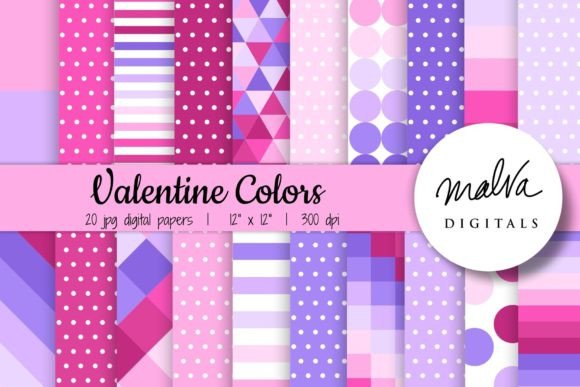
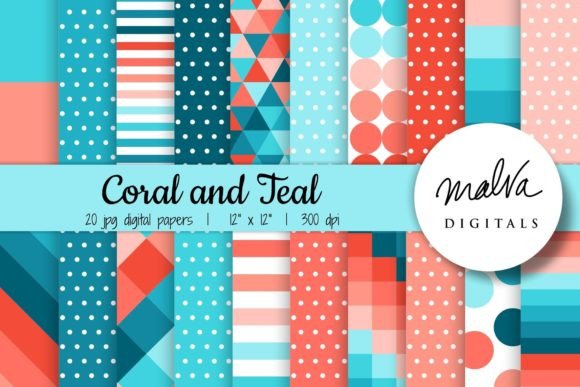
Coral and teal geometric patterns are composed of repeating shapes such as polka dots, stripes, squares, circles, and more. The color palette typically includes shades of bright coral and turquoise, which are known for their ability to evoke energy and positivity. These patterns are not only visually stimulating but also versatile in their application across various mediums.
The use of geometric shapes allows for a structured yet artistic approach to design. This combination of structure and creativity makes coral and teal geometric patterns suitable for a wide range of creative endeavors. From simple backgrounds to intricate illustrations, these patterns can be adapted to suit different styles and purposes.
Features and Characteristics
- Vibrant Colors: The use of coral and teal creates a lively and engaging visual effect.
- Geometric Shapes: The inclusion of polka dots, stripes, and other shapes adds depth and dimension to any design.
- High Quality: Digital papers come in high resolution (300 dpi) and standard size (12” x 12”), ensuring clarity and sharpness in print and digital formats.
- Multiple Uses: These patterns are suitable for a variety of applications, including cardmaking, scrapbooking, invitations, party decor, classroom materials, posters, label stickers, backgrounds, stationary, holiday gifts, PowerPoint presentations, and worksheets.
Applications of Coral and Teal Geometric Patterns
Coral and teal geometric patterns can be used in numerous ways, making them a valuable resource for anyone involved in creative projects. Here are some examples of how these patterns can be applied:
- Cardmaking: Use these patterns as backgrounds for birthday cards, thank-you notes, or invitations to add a pop of color and interest.
- Scrapbooking: Incorporate these designs into layouts to create cohesive and visually appealing pages.
- Party Decor: Print these patterns on banners, table runners, or balloons to create an inviting atmosphere for events.
- Classroom Decor: Use them to make learning environments more engaging by incorporating them into posters, labels, or educational materials.
- PowerPoint Presentations: Add these patterns as slide backgrounds to enhance the visual appeal of your slides.
- Stationary: Create unique note cards, planners, or calendars using these vibrant patterns.
Who Can Benefit from Using These Patterns?
Coral and teal geometric patterns are ideal for a wide range of users, including:
- Creative Professionals: Designers, illustrators, and graphic artists who need versatile and high-quality background elements.
- Business Owners: Those looking to create branded materials such as flyers, brochures, or promotional items.
- Teachers and Educators: Who want to make learning materials more engaging and visually stimulating.
- Hobbyists and Craft Enthusiasts: Individuals who enjoy crafting, scrapbooking, or DIY projects.
- Event Planners: Who need to create eye-catching decorations for parties, weddings, or corporate events.
Strengths and Considerations
One of the main strengths of coral and teal geometric patterns is their versatility. They can be used in both digital and print formats, making them suitable for a wide range of applications. Additionally, the high-resolution format ensures that the patterns remain clear and crisp even when printed at larger sizes.
However, it's important to consider the context in which these patterns will be used. While they are great for adding visual interest, they may not be appropriate for all situations. For example, if you're designing something that requires a more subdued or professional look, these vibrant patterns might be too bold.
Another consideration is the balance between the colors and shapes. While coral and teal are complementary colors, it's essential to ensure that they are used in a way that doesn't overwhelm the overall design. Experimenting with different combinations and layering techniques can help achieve a harmonious result.
Evaluating Suitability for Different Needs
When evaluating whether coral and teal geometric patterns are suitable for a particular project, consider the following factors:
- Project Purpose: Are you creating something for a child, a professional setting, or a personal use? This will influence the appropriateness of the pattern.
- Color Scheme: Does the existing color scheme of your project complement coral and teal? If not, you may need to adjust the design accordingly.
- Design Complexity: Are you looking for a simple background or a more intricate design? Coral and teal geometric patterns can be used in both ways depending on how they are layered and combined.
- Intended Audience: Will the final product be seen by children, adults, or professionals? This will affect the level of detail and complexity that is appropriate.
Real-World Scenarios and Applications
Let’s explore some real-world scenarios where coral and teal geometric patterns have been successfully used:
Scenario 1: Birthday Invitations
A designer created a set of birthday invitations using coral and teal geometric patterns as the background. The vibrant colors and playful shapes made the invitations stand out and added a festive feel to the event.
Scenario 2: Classroom Posters
An educator used these patterns to create colorful posters for a science lesson. The geometric shapes helped break up large blocks of text, making the information easier to digest for students.
Scenario 3: Wedding Decor
For a summer wedding, the couple used coral and teal geometric patterns on table runners and centerpieces. The combination of colors and shapes created a refreshing and elegant atmosphere that matched the theme of the event.
Scenario 4: Digital Presentations
A marketing team incorporated these patterns into their PowerPoint presentation to make the slides more engaging. The use of coral and teal helped highlight key points and kept the audience visually interested throughout the presentation.
Conclusion
Coral and teal geometric patterns offer a unique blend of vibrancy and structure that can enhance a wide range of creative projects. Whether you're designing invitations, creating classroom materials, or preparing digital presentations, these patterns provide a versatile and visually appealing option. By understanding their features, characteristics, and potential applications, you can make informed decisions about how best to incorporate them into your work. With careful consideration and thoughtful application, coral and teal geometric patterns can transform ordinary designs into extraordinary creations.